Torn between Plano and Frisco for your next move? You want the right mix of schools, space, commute, and weekend fun without wasting months second‑guessing. This guide breaks down the key differences that matter to dual‑income, move‑up families in the Plano–Frisco corridor. You’ll get a clear view of housing, schools, commute patterns, costs, and how to choose confidently. Let’s dive in.
Plano vs Frisco at a glance
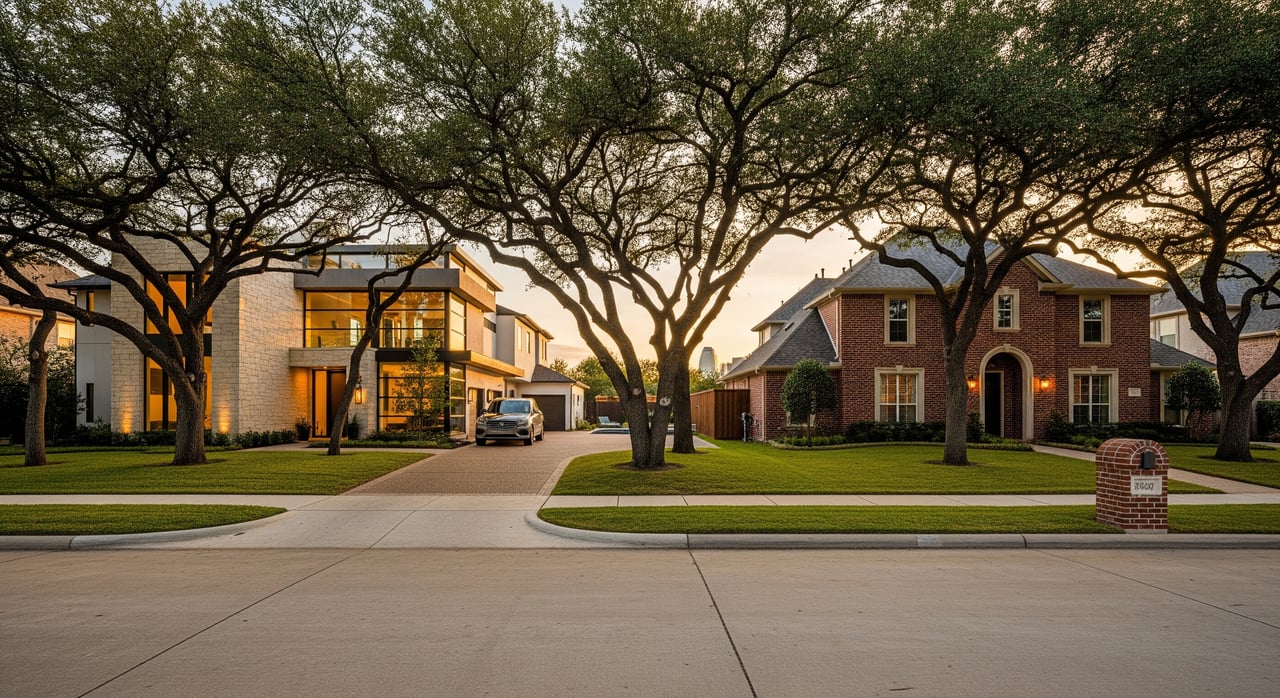
- Growth and age: Frisco is newer and still growing fast with many master‑planned communities. Plano is larger and more established with mature neighborhoods and services.
- Home prices: Frisco often commands higher prices, especially for new construction. Plano offers a wider range of price points due to older inventory and mixed neighborhood types.
- Schools: Both areas are served by high‑performing districts. Frisco ISD is newer and expanding. Plano ISD is larger with many top‑rated campuses and specialized programs.
- Commute and access: Plano sits closer to US‑75 and DART rail, which can shorten trips to central Dallas. Frisco is farther north along the Dallas North Tollway and SH 121, so commutes to downtown Dallas are typically longer.
- Lifestyle: Frisco leans into sports and entertainment destinations and amenity‑rich master plans. Plano blends corporate hubs and mixed‑use districts with varied neighborhood character.
Schools and child services
Both Plano ISD and Frisco ISD include many high‑performing schools by state accountability measures. Options like AP, IB, and STEM programs are available, though offerings vary by campus. You will also find a range of private and parochial schools in both cities.
Frisco’s rapid growth has led to periodic attendance zone changes as new schools open. Plano’s zones tend to be more stable, though shifts can still occur with redevelopment. If school placement is a priority, review district maps, campus report cards, and current rezoning notices for the neighborhoods you are considering.
Beyond the classroom, both cities support families with childcare centers, recreation programs, libraries, and youth sports. Frisco is known for modern sports facilities tied to its growth. Plano’s recreation network is extensive, with mature parks and established programming.
Housing and neighborhoods
Plano housing patterns
- Older neighborhoods from the 1950s–1980s feature ranch and traditional designs on smaller lots, often with mature trees and unique character.
- 1990s–2000s subdivisions add larger floor plans and community amenities like pools and parks.
- Newer infill and townhome options cluster around Legacy and West Plano with higher price per square foot and smaller private yards.
What this means for you: Plano’s wider age range of homes can create more price flexibility. You may trade newer systems for character and location, and older homes can involve more maintenance or updates.
Frisco housing patterns
- Newer master‑planned communities from the 2000s to today are common, with 3–5+ bedroom homes, open layouts, and community amenities.
- Lot sizes are often larger than older Plano tracts, and luxury or custom options are available in select neighborhoods.
- New construction is more readily available, often with builder warranties and modern energy features.
What this means for you: Frisco provides a higher share of newer, lower‑maintenance homes with consistent community standards, usually at a higher entry price.
HOAs, maintenance, and tradeoffs
- HOAs: Frisco’s master‑planned areas often include HOAs with amenities and rules. Plano is mixed, with many established neighborhoods that do not have HOAs.
- Maintenance: Newer Frisco homes can mean fewer near‑term repairs. Older Plano homes may need updates, but purchase price and location can balance that.
- Resale: Frisco’s newer product and desirable school zones have shown strong demand. Renovated Plano homes near employment centers and Legacy West also show stable resale appeal.
Commute and transportation
Road access and drive times
- Plano: US‑75 provides direct access to central Dallas. The President George Bush Turnpike runs east–west, and the Dallas North Tollway serves western Plano.
- Frisco: The Dallas North Tollway and Sam Rayburn Tollway (SH 121) are primary routes. Frisco is farther north, so downtown commutes are typically longer.
Typical off‑peak commutes to downtown Dallas can be about 25–40 minutes from much of Plano and 30–50 minutes or more from Frisco, with rush‑hour variability. Many dual‑income households work along the Plano–Frisco corridor, where commutes of 10–25 minutes are common depending on the destination.
Transit and projects to watch
Plano benefits from DART rail and bus service in parts of the city. Frisco currently has limited fixed‑rail options, though regional bus or shuttle services operate locally. The planned Silver Line regional rail project is intended to add an east–west connection that could influence future travel patterns. Check current schedules and construction updates before you decide.
School logistics and daily routines
Older grid neighborhoods in Plano can offer shorter walks or drives to nearby schools. Frisco’s newer subdivisions often cluster schools within the community, though you may need to cross larger collector roads. Test your school and activity routes during peak times to compare.
Amenities, recreation, and healthcare
Sports and entertainment
- Frisco: The Star, Toyota Stadium, and the RoughRiders ballpark anchor a strong sports and entertainment scene, with new venues arriving as the city grows.
- Plano: Legacy West and the Shops at Legacy provide dining, shopping, and office hubs that draw both residents and corporate traffic.
Parks, trails, and youth programs
Both cities maintain robust parks and recreation systems with community centers, pools, trails, and youth leagues. Frisco’s newer complexes highlight its growth, while Plano offers a deep network of mature parks and established programming.
Healthcare and learning resources
Access to full‑service hospitals and multi‑specialty clinics is strong in both cities, including systems such as Medical City, Texas Health, and Baylor Scott & White in the corridor. Families also benefit from libraries, community classes, Collin College campuses, and nearby university resources.
Costs, taxes, and the monthly budget
- Purchase price: Frisco generally posts higher median prices, especially for new or larger homes in master‑planned communities. Plano’s broader mix of older and newer inventory offers more entry points for move‑up buyers.
- Property taxes: Texas has no state income tax, so property taxes are a key factor. Combined rates in Collin County commonly fall in a broad range around 1.9–3 percent of assessed value depending on school district, city, county, and any special districts. Bills vary by property and location, so verify with the Collin County Appraisal District.
- HOA fees: More prevalent in Frisco’s master‑planned communities. Plano’s HOA presence is mixed, which can affect monthly carrying costs.
- Insurance and flood risk: Premiums reflect home age and claims history. Review FEMA flood maps and local data for any property you consider.
Which is right for your family
Choose Plano if you value:
- Shorter potential commutes to central Dallas and Richardson via US‑75.
- Mature neighborhoods with trees, established parks, and a range of price points.
- Mixed HOA presence and opportunities to renovate for value.
Choose Frisco if you value:
- Newer construction with modern layouts and community amenities.
- Strong concentration of master‑planned neighborhoods and sports‑centric destinations.
- Continued growth that supports retail, entertainment, and new infrastructure.
Your next steps
- Verify school attendance zones and any planned rezoning for your short list.
- Compare net monthly cost by neighborhood, including mortgage, taxes, HOA, and insurance.
- Test commute routes to each workplace, school, and activity during peak hours.
- Walk target neighborhoods at different times to get a feel for access and traffic.
- Consider resale factors, including proximity to employment hubs and district boundaries.
When you are ready to compare specific neighborhoods and homes side by side, connect with a local advisor who works this corridor every day. For a focused, high‑touch plan tailored to your family’s budget, schools, and timing, reach out to Mark Bradford.
FAQs
What are the main differences between Plano and Frisco for families?
- Frisco is newer with many master‑planned communities and higher typical prices, while Plano is larger and more established with a wider range of home ages and price points.
How do Plano ISD and Frisco ISD compare for academics?
- Both districts include many high‑performing campuses and advanced programs. Frisco ISD is newer and growing, while Plano ISD is larger with long‑established options. Review campus‑level data for your zones.
Is commuting to downtown Dallas easier from Plano or Frisco?
- Plano generally offers shorter trips to central Dallas due to US‑75 and DART access. Frisco sits farther north, so expect longer downtown commutes but strong access within the corridor.
How do property taxes compare between Plano and Frisco?
- Both are in Collin County with combined rates that often fall around 1.9–3 percent of assessed value depending on taxing units. Exact bills vary by property and school district.
Where are HOAs more common, Plano or Frisco?
- HOAs are more consistently present in Frisco’s master‑planned communities. Plano has a mix of HOA and non‑HOA neighborhoods.
Is new construction easier to find in Frisco or Plano?
- Frisco has a stronger pipeline of new construction and builder options. Plano’s inventory leans more toward resale, with some infill and townhome development in select areas.