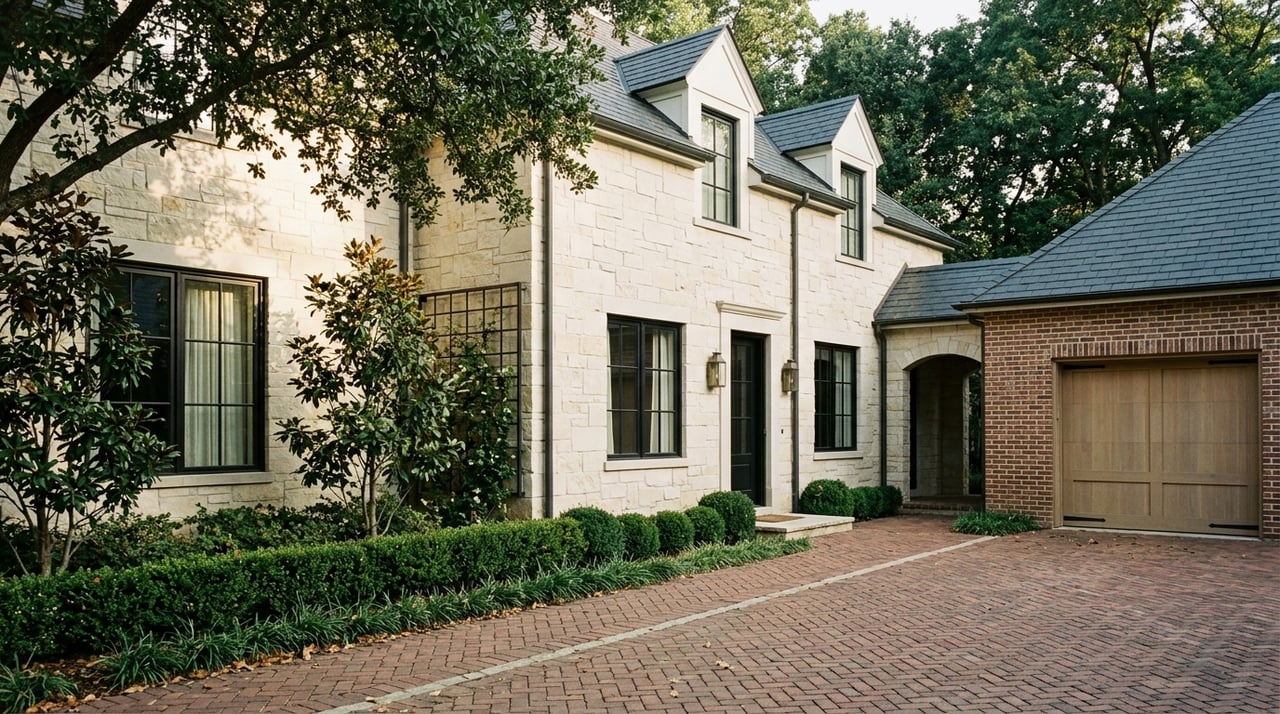
University Park Remodel vs Rebuild: How to Decide
July 2, 2026
July 2, 2026
You are not just buying a house in University Park. In many cases, you are buying a lot, a floor plan, and a long-term decision about whether the existing home should be improved or replaced. That can feel especially weighty in a market where home values are high and site constraints matter. This guide will help you think through when a remodel makes sense, when a rebuild may be the better move, and what local rules should shape your decision before you commit. Let’s dive in.
University Park is a small, largely residential community with more than 25,000 residents across 3.73 square miles. The city reports 6,927 residential parcels, with 79% made up of single-family homes, and notes that the community grew from homes around SMU before incorporating in 1924.
That history matters because the housing stock is varied, but the land is limited. The city lists an average market value of $2,466,515 for single-family homes, while Census QuickFacts shows a median owner-occupied housing value of $1,861,800 for 2020 through 2024. In a market like this, you need to evaluate the lot almost as carefully as the house sitting on it.
A remodel is often the better fit when the home already has a workable footprint and the structure is worth keeping. If you like the location, the basic layout, and the relationship of the house to the lot, improving what is there may give you the result you want without starting over.
This path can also make sense if your goals are more about function than total reinvention. You may want a better kitchen flow, updated systems, added living space, or a more usable primary suite, while still keeping much of the existing structure in place.
In University Park, remodels are still regulated projects. The city states that most new construction, remodeling, and additions require building permits, and since January 1, 2025, applications begin with a completeness review meeting before moving into plan review. So even a relatively modest project should be evaluated early with the city’s process in mind.
A rebuild becomes more compelling when the floor plan is fundamentally wrong, the structure needs major work, or you want to maximize the lot’s long-term usability. If the home cannot realistically support the way you want to live, putting significant money into a compromised structure may not be the best investment.
University Park has an important threshold buyers should understand. The city says that if more than 50% of a structure is demolished, staff treats the project as a complete demolition and rebuild under current building and zoning codes. That means a large renovation can sometimes trigger the same practical outcome as a teardown.
A rebuild can also be the better path when you need a fresh design approach to fit the lot. On some properties, the existing home may not use the site efficiently once setbacks, paving limits, drainage, and easements are taken into account. In those cases, starting fresh may create a better long-term solution.
In University Park, the lot itself often drives the answer. A home that seems like a clear remodel candidate on first glance may become much less appealing once you study what the site can actually support.
The city limits impermeable surface coverage based on lot size. For SF-1 through SF-4 lots, allowable coverage ranges from 3,600 square feet on lots up to 6,000 square feet to 35% on lots of 35,001 square feet or more. Total paving in the required front yard is also capped at 50%.
Utility easements matter too. The city states that utility easements cannot be built over, which can affect where you place additions, garages, drives, or outdoor features. A design that works on paper may not work on the actual parcel once those limits are mapped out.
Mature trees can be a major part of a property’s appeal, but they can also shape what is practical. University Park says parkway trees are part of the city’s urban forest, property owners are responsible for maintaining them, and the city is advancing an urban forestry management plan.
That does not automatically favor a remodel or a rebuild. It simply means the best path is often the one that works with the site as it exists. On some lots, preserving the relationship between the home and established trees may support a thoughtful remodel. On others, a carefully planned rebuild may still work if the design respects those constraints.
Before you fall in love with a renovation idea or assume a teardown will be straightforward, you need to understand the city’s rules. University Park has adopted the 2021 International Building Codes, including the International Residential Code and International Existing Building Code.
The city also notes that staff can answer questions about permitted uses, setback requirements, and specific zoning districts or properties. That makes early conversations especially valuable, because assumptions made at the offer stage can become expensive later.
It is also risky to assume a variance will fix a difficult site. University Park states that Board of Adjustment variances are intended for hardships caused by the shape, size, or terrain of a property, not financial or self-imposed hardships. In simple terms, a plan that does not fit the lot is not guaranteed a workaround.
Some University Park properties involve lot record issues that buyers do not notice right away. The city says new construction requires a single platted lot, so parcels made up of part of a lot or multiple lots must be platted into one lot of record before a building permit can be issued.
The city also explains that an amending plat is required if a site is assembled from a portion of a lot or several lots. If a lot is being split into two smaller lots, a replat is required. If you are considering a rebuild, this is one of the first items to confirm during due diligence.
In University Park, early diligence is not optional. It is one of the best ways to protect your time, your budget, and your negotiating position before you waive contingencies or move forward with a scope that may not fit.
A smart review typically includes a current survey, a zoning check, and a concept review with your architect and builder. According to the city, this early work can reveal whether your preferred design fits within local rules before you commit to a path that may not pencil.
This is also where a local real estate team can add value. When you are comparing homes with remodel potential versus lot-driven rebuild value, you need more than list-price analysis. You need context about how buyers in University Park weigh location, site utility, and future resale appeal.
Even when the property works, the financing may decide what is realistic. Construction-related projects often require a different loan structure than a traditional home purchase, and the cost of carrying the project should be part of your decision from the start.
The Consumer Financial Protection Bureau says construction loans are usually short-term, are typically funded in advances as work progresses, and generally carry higher interest rates than longer-term mortgages. Some convert to permanent financing, while others require a new mortgage application.
For buyers weighing remodel versus rebuild, that means your lender should be involved early. If you may need renovation financing, construction-to-permanent financing, or additional reserves for overruns, those details should be aligned with the builder’s budget and timeline before you move forward.
Taxes are another piece of the puzzle that buyers should not overlook. The Texas Comptroller says appraisal districts value property as of January 1 each year and use the cost approach for new construction by estimating the building and adding it to land value.
The Comptroller also notes that notices of appraised value are generally sent by April 1 for a single-family residence. In practical terms, a teardown or substantial rebuild can change the property’s future tax profile, which can affect your long-term carrying costs.
That is why it helps to have your lender, builder, and tax advisor working from the same assumptions. A project that looks attractive on the front end should also make sense after financing costs, taxes, and construction risk are factored in.
If you are deciding between remodeling and rebuilding in University Park, start with these questions:
The right answer is rarely just emotional, and it is rarely just financial. In University Park, the best decisions usually come from balancing site realities, city rules, renovation goals, and long-term value.
If the house has strong bones, a functional footprint, and a site relationship worth preserving, a remodel may give you the most efficient path. If the layout is limiting, the structure needs major work, or the lot deserves a more tailored design, a rebuild may be the smarter long-term play.
Either way, the decision should start with facts, not guesses. In a high-value market like University Park, small due diligence steps early can prevent large mistakes later.
If you are weighing a purchase in University Park and want local guidance on lot value, resale potential, and how to compare remodel candidates versus rebuild opportunities, connect with Mark Bradford for a strategic, property-specific conversation.
Stay up to date on the latest real estate trends.
Through their experience with the market, we can deliver the art of the deal, the craft of preparation, and watch the details of the real estate transaction. We prioritize every client and know how to provide a luxury experience to our clients that keeps them for life.